
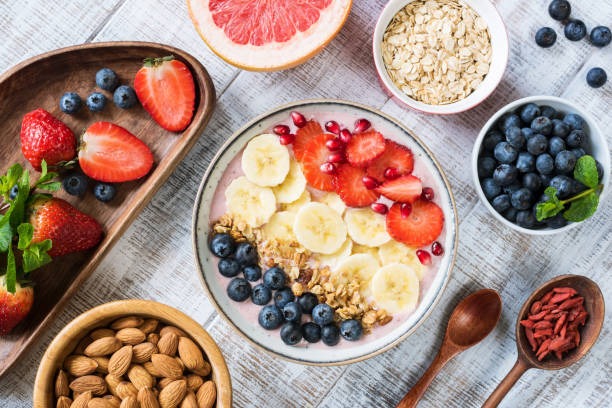
Managing blood sugar levels starts early in the day, making breakfast choices crucial for those aiming to maintain steady glucose throughout the morning. Traditional breakfast foods often contain refined carbohydrates and added sugars that can cause rapid spikes in blood sugar. By making thoughtful swaps, it is possible to enjoy satisfying meals while supporting balanced glucose levels.
One common breakfast staple is white bread or bagels, which are high in simple carbs and low in fiber. Replacing these with whole-grain options such as whole wheat bread or sprouted grain varieties introduces more fiber into the meal. Fiber slows digestion and helps prevent sudden increases in blood sugar by promoting a steadier release of glucose into the bloodstream. Additionally, choosing breads made from ancient grains like quinoa or amaranth can add nutritional value without compromising taste.
Many people rely on sugary cereals to start their day, but these products typically contain large amounts of added sugars and little protein or fat to balance their effects on blood sugar. Opting for oatmeal made with steel-cut or rolled oats provides a lower glycemic index alternative rich in soluble fiber, which aids in controlling post-meal blood sugar rises. Adding nuts or seeds enhances this effect by contributing most potent delta 9 gummies healthy fats and proteins that further stabilize glucose levels.
Fruit juices are another common breakfast component that can lead to sharp increases in blood sugar due to concentrated natural sugars without accompanying fiber. Whole fruits such as berries, apples, or pears offer sweetness along with dietary fiber that moderates absorption rates of sugars into the bloodstream. Incorporating fresh fruit instead of juice ensures a more gradual impact on blood glucose while providing essential vitamins and antioxidants.
Instead of traditional pancakes or waffles made from refined flour topped with syrup, consider swapping them for alternatives using almond flour or coconut flour combined with eggs and unsweetened yogurt. These ingredients provide protein and healthy fats alongside fewer carbohydrates overall, helping control insulin responses after eating.
Including protein sources like eggs, Greek yogurt, cottage cheese, tofu scramble, or nut butters at breakfast contributes significantly toward maintaining balanced blood sugar levels throughout the morning hours. Protein slows gastric emptying time and reduces hunger pangs between meals without causing excessive insulin secretion.
Small adjustments such as replacing sugary spreads like jam with avocado slices infused with lemon juice bring healthy monounsaturated fats into play while avoiding unnecessary sugars that could disrupt glycemic control.
By focusing on whole foods rich in fiber, protein, and healthy fats rather than processed carbohydrates laden with sugars at breakfast time one can support better long-term management of blood sugar levels effectively through diet alone. These swaps not only improve metabolic health but also enhance satiety and energy stability during daily activities without sacrificing flavor or convenience commonly associated with typical morning meals.