
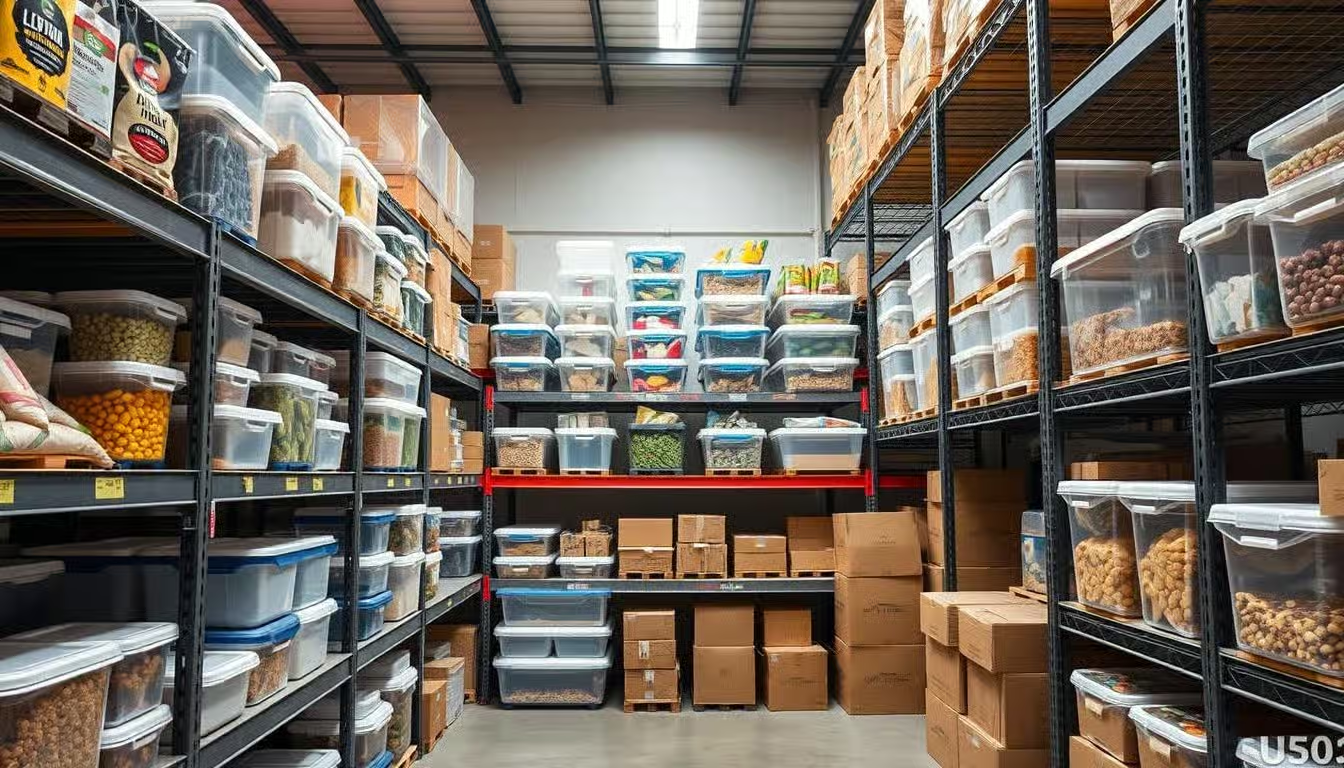
In the bustling environment of a kitchen, whether in a restaurant or at home, maintaining an organized and safe food storage system is pivotal for seamless daily operations. The efficiency of cooking processes and the quality of meals served are heavily reliant on how well ingredients are stored. Proper food storage extends beyond merely keeping items fresh; it encompasses safety protocols that prevent contamination and spoilage, ultimately safeguarding health.
A well-organized kitchen begins with categorizing food items appropriately. Perishable goods such as dairy products, meats, and vegetables should be prioritized for refrigeration to maintain their freshness. Utilizing clear containers with labels indicating expiration dates can aid in managing inventory effectively. This practice not only reduces waste but also ensures that older stock is used before newer purchases, adhering to the first-in-first-out (FIFO) rule.
Temperature control plays a crucial role in Safe food storage. Refrigerators should be kept at temperatures below 40°F (4°C) to inhibit bacterial growth on perishable foods. Freezers must maintain temperatures at or below 0°F (-18°C), ensuring long-term preservation without compromising quality. Regular checks using thermometers can help verify these conditions are consistently met.
Cross-contamination is another critical concern addressed through organized storage systems. Raw meats should always be stored separately from ready-to-eat foods to prevent harmful bacteria from spreading. Ideally, raw proteins should be placed on lower shelves within refrigerators to avoid any potential drips onto other foods below them.
Dry goods like grains, spices, and canned products require a different approach but no less attention to organization and safety standards. These items should be kept in cool, dry places away from direct sunlight to prolong shelf life and preserve flavor integrity. Airtight containers can protect against pests while maintaining optimal moisture levels essential for certain ingredients’ longevity.
Furthermore, proper labeling cannot be overstated when discussing effective kitchen operations dependent on organized food storage systems. Clear labeling helps all staff members quickly identify contents without unnecessary opening of containers which could expose foods to environmental factors that might degrade their quality faster than anticipated.
Implementing an efficient rotation system based on clearly marked dates ensures that nothing goes unnoticed until it becomes unusable or unsafe due to age or deterioration—an integral part of minimizing waste within any culinary setting striving toward sustainability goals.
Ultimately, daily kitchen operations thrive when supported by an adeptly managed food storage strategy centered around organization and safety principles designed specifically for preserving both ingredient quality as well as consumer health standards alike—a testament not only towards operational excellence but also commitment towards delivering exceptional dining experiences consistently over time regardless if done professionally or domestically every day alike!